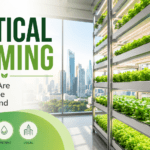














































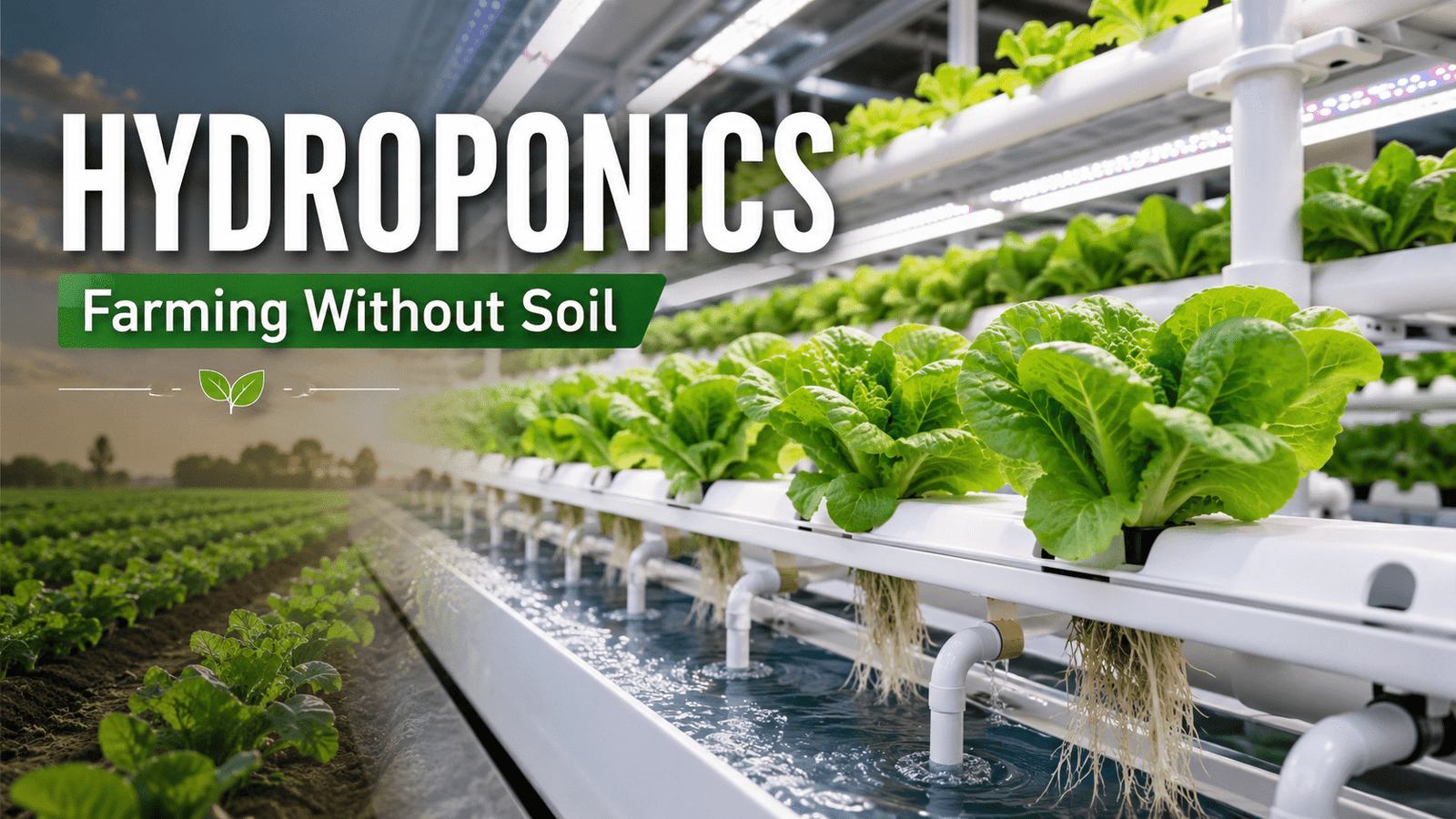

Most people still associate farming with soil, land, and open fields. Hydroponics challenges that assumption entirely.
It is a method of growing plants without soil, using nutrient-rich water solutions instead. At first glance, it sounds experimental. In reality, it represents a structural shift in how food can be produced.
Unlike traditional farming, hydroponics allows precise control over nutrients, water, and environmental conditions. This removes many uncertainties that conventional agriculture has always struggled with — weather dependency, soil degradation, and seasonal limitations.
The Shift From Natural to Controlled Growth
Hydroponics introduces something traditional farming cannot guarantee: consistency. Plants grow in stable, controlled environments where variables are managed instead of endured.
This means:
- Faster growth cycles
- Reduced water usage
- Higher yield per square foot
- Year-round production
Why Hydroponics Matters Today
Global agriculture is under pressure from climate instability, water shortages, and land constraints. Hydroponics doesn’t just improve farming efficiency — it removes dependence on unstable natural conditions.
It represents a move from farming as a natural process to farming as a controlled system.
And that shift is only beginning.
Disclaimer: This article is for informational and educational purposes only. It is based on publicly available reports and policy updates. It should not be considered financial, investment, legal or business advice.