





























US Strikes on Iran Water Facilities Raise Fears of a Humanitarian Health Crisis

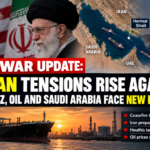
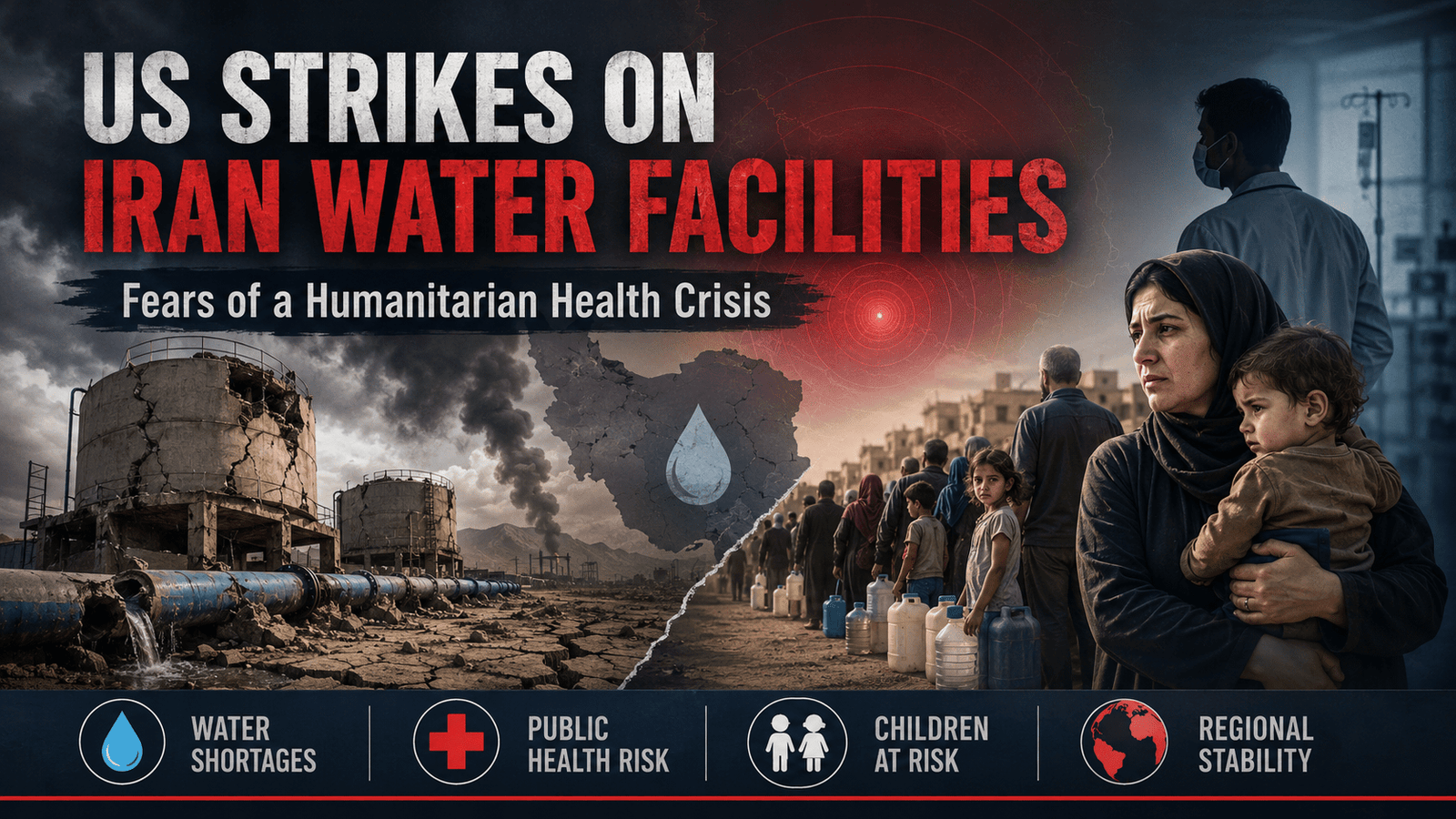
The Middle East crisis has taken a dangerous turn after reported U.S. airstrikes on Iran intensified fears of a wider conflict and a growing humanitarian emergency. Among the most serious concerns are reports that water facilities in southern Iran were damaged, putting civilian access to safe drinking water at risk.
Water is not just infrastructure — it is life. When reservoirs, pipelines, pumping stations or desalination systems are damaged during conflict, the first victims are usually ordinary families. Without clean water, people face dehydration, poor sanitation, food insecurity and a higher risk of waterborne diseases. Children, elderly people, pregnant women and hospital patients are especially vulnerable.
Reports from Iran say water tanks serving thousands of people were destroyed in Bemani, a district near the Strait of Hormuz. While U.S. officials have not confirmed responsibility for that specific strike, the wider U.S.-Iran exchange has already raised urgent questions about civilian protection, public health and international law.
Iran was already struggling with drought, water stress and aging infrastructure before the latest escalation. Any attack or disruption to water systems can quickly turn a military conflict into a public health disaster. In hot regions, even a short disruption in drinking water supply can become life-threatening.
The global impact could also be serious. The Strait of Hormuz is one of the world’s most important energy routes. If the war expands, oil prices may rise sharply, affecting fuel costs, inflation, shipping, food prices and household budgets worldwide. For India, higher oil prices can increase petrol and diesel costs, weaken the rupee and make imports more expensive.
This is why peace is necessary. Wars today do not remain limited to battlefields. They affect children, hospitals, water systems, global markets and ordinary families thousands of miles away.
The world must push for restraint, humanitarian access and protection of essential civilian infrastructure. Water should never become a weapon of war. In any conflict, saving civilian lives must come before political victory.
Disclaimer: This article is for informational and educational purposes only. It is based on available public reporting and should not be treated as legal, medical or emergency guidance.