









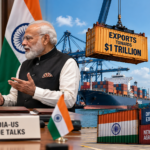

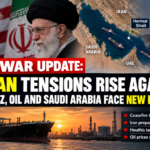


























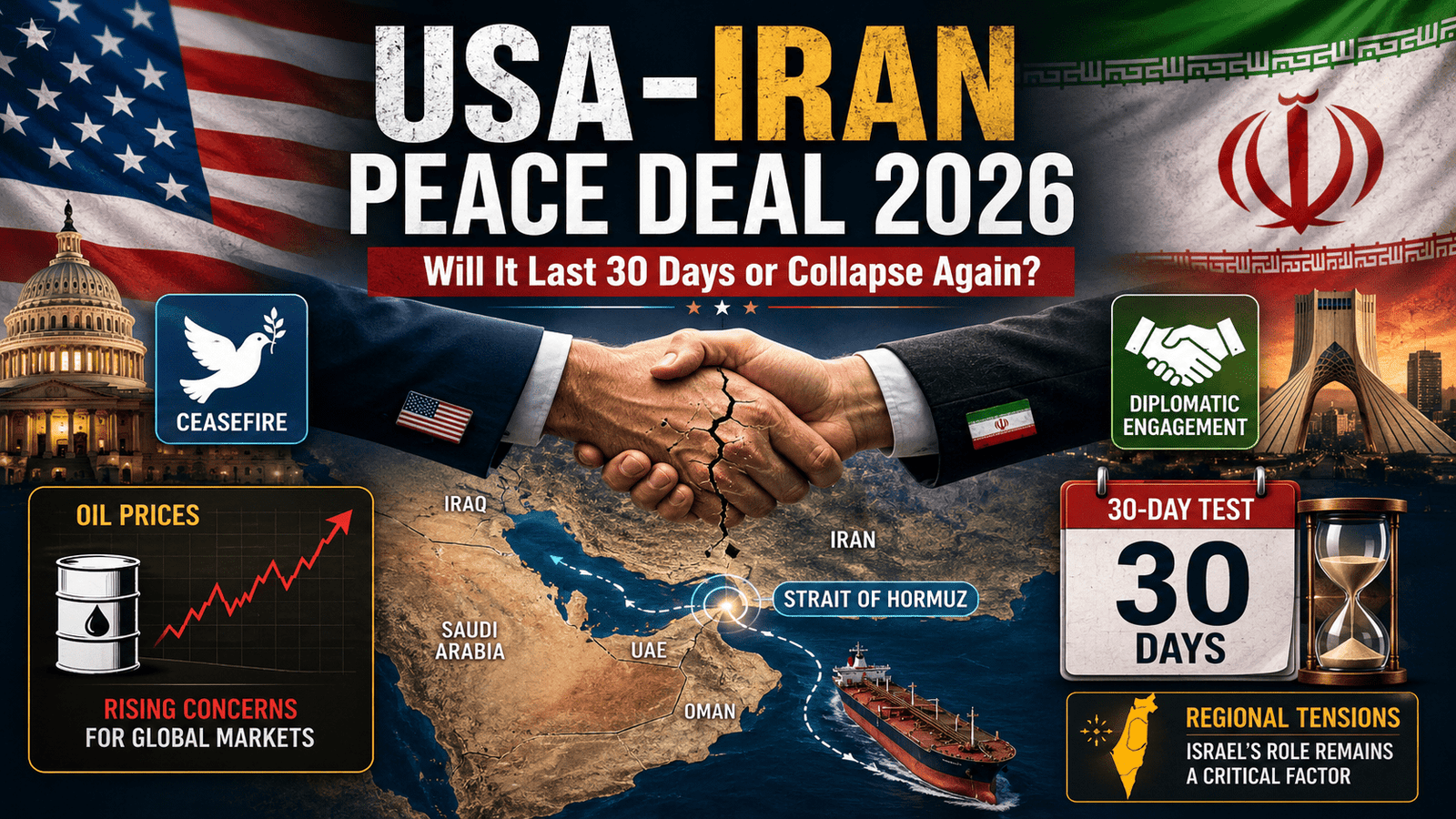

The new USA-Iran peace deal has brought temporary relief to a region shaken by months of military tension, oil market panic and fears of a wider Middle East war. The agreement aims to stop direct hostilities, reopen the Strait of Hormuz and create space for broader negotiations. But the biggest question remains: will this peace deal last even 30 days?
The answer is not simple.
On paper, the deal is a major diplomatic breakthrough. If Washington and Tehran can pause attacks and keep energy routes open, global markets may calm down. Oil prices could ease, shipping costs may fall and countries like India could benefit from lower fuel pressure. For ordinary people, peace means cheaper transport, lower inflation risk and fewer global supply-chain shocks.
But the deal has one major weakness: Israel is not fully included as a direct party to the agreement. That makes the ceasefire vulnerable.
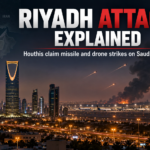
Israel has made it clear that it wants freedom to act against threats linked to Iran, especially in Lebanon and around Hezbollah. If Israel launches fresh strikes, Iran could respond directly or through regional allies. That could drag the United States back into pressure, retaliation or emergency diplomacy.
This is why many observers believe the first 30 days will be the real test. A peace deal is not judged by the signing ceremony. It is judged by what happens after the first violation, the first drone attack, the first missile launch or the first strike in Lebanon.
For Iran, the deal may offer relief from pressure, sanctions uncertainty and military escalation. For the United States, it offers a chance to reduce war risk and stabilize oil markets. But for Israel, the deal may look incomplete if Iran’s missile program, nuclear capability and regional alliances are not fully addressed.
This gap could become the biggest danger.
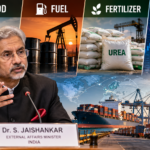
If the deal holds, the benefits could be global. The Strait of Hormuz is one of the world’s most important oil routes. Any stability there can reduce energy fears and help countries dependent on imported oil. India, which imports most of its crude oil, would closely watch fuel prices, rupee pressure and inflation.
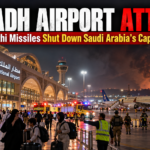
If the deal fails, oil prices could rise again, stock markets may become volatile and the Middle East could return to a cycle of attack and retaliation. That would hurt not only governments, but also families, workers, businesses and consumers across the world.
Peace is necessary because modern wars do not stay inside borders. They move through oil prices, shipping routes, currency markets and household budgets. A missile fired in West Asia can affect petrol prices in India, grocery bills in Europe and investor confidence in America.
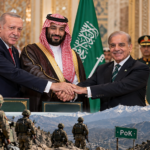
So, will the USA-Iran peace deal last 30 days? It can — but only if all sides show restraint. Without Israel’s cooperation, the deal may remain fragile. Real peace will require more than a pause between Washington and Tehran. It will require a wider regional understanding that includes Israel, Lebanon, Gulf countries and international monitors.
The deal is a good beginning. But it is not yet a lasting peace.
Disclaimer: This article is for informational and educational purposes only. It is based on publicly available reports and should not be considered legal, diplomatic, investment or financial advice.