
















PM Modi’s Nice Visit: India-France Sign Major Agreements to Boost Innovation, Trade, AI and Strategic Ties

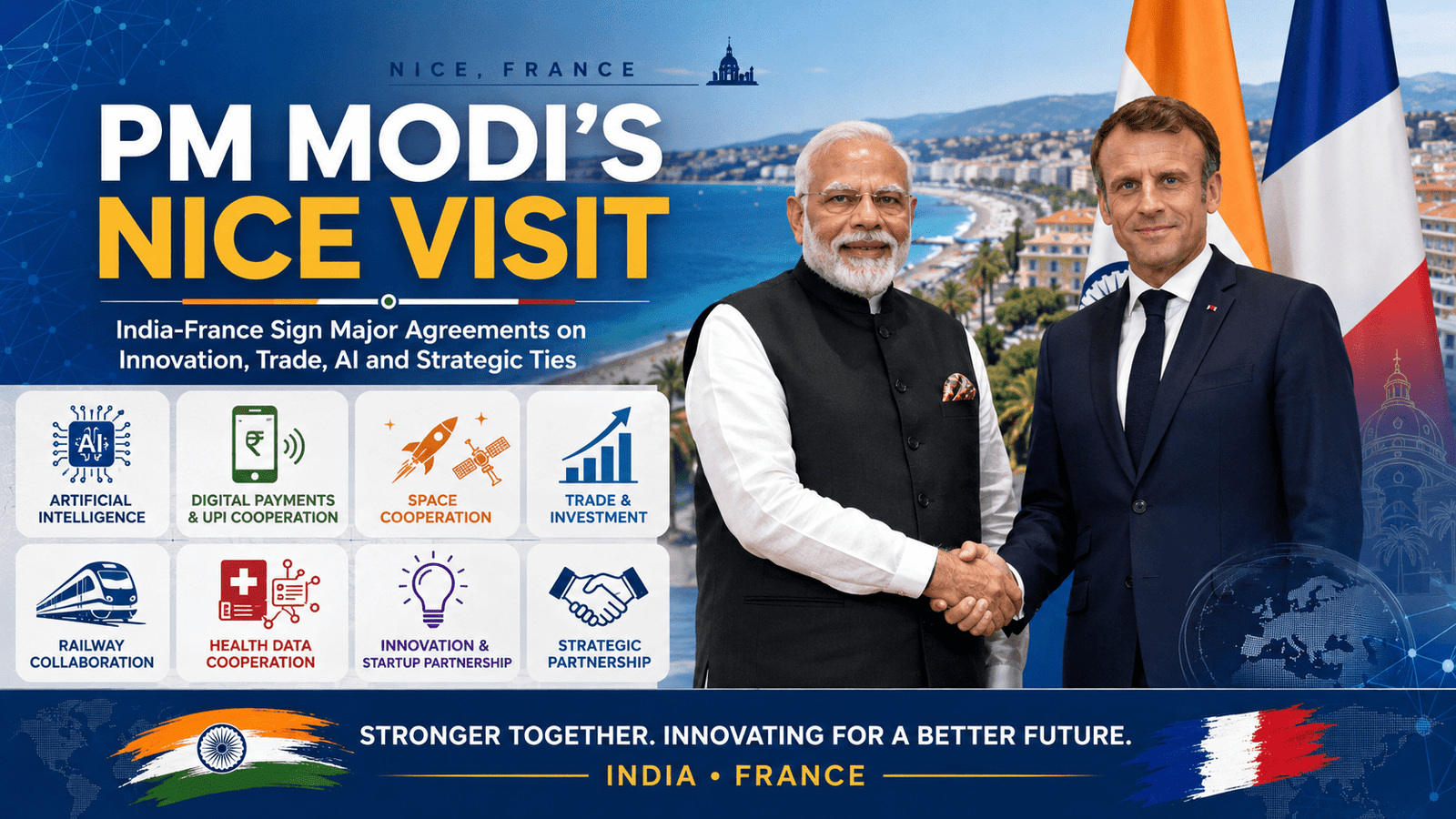
Prime Minister Narendra Modi’s recent visit to Nice, France, has added fresh energy to the India-France partnership. Meeting French President Emmanuel Macron on June 14, 2026, PM Modi reviewed the full range of bilateral relations and pushed forward cooperation in technology, defence, innovation, trade, education, digital payments and space.
The visit was important because India and France are no longer just traditional diplomatic partners. They are now working together as strategic partners in areas that will define the future — artificial intelligence, critical technology, clean energy, space exploration, semiconductors, digital infrastructure and skilled talent.
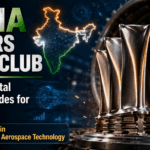
One of the biggest highlights of the Nice visit was the joint inauguration of Bharat Innovates 2026, a global deep-tech and start-up showcase held at the Palais des Expositions de Nice. The event brought together Indian innovators, universities, investors, venture capital funds and global industry leaders. It showed how India is moving from being a consumer of technology to becoming a global innovation hub.
The two countries also announced several important outcomes. The India-France Innovation Roadmap 2030 was adopted to deepen cooperation in emerging technologies, artificial intelligence, start-ups and research. A Joint India-France AI Working Group was also created to focus on AI governance, research, talent exchange and industry collaboration.
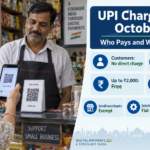
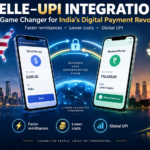
A major announcement came in digital payments. India’s UPI payment system will expand to Paris Airport and Nice, making it easier for Indian tourists, students, business travellers and the diaspora to make digital payments in France. This is also a strong global signal for India’s digital public infrastructure.
For start-ups, France will incubate 10 additional Indian start-ups at Station F, one of Europe’s top start-up hubs. This will help Indian deep-tech and AI companies access European investors, mentors and markets.
Education and skilling also received a boost. India and France agreed to establish a National Centre of Excellence for Skilling in Aeronautics and Allied Sectors at NSTI Kanpur, supporting India’s aviation, aerospace manufacturing and MRO ambitions. A new ICCR India Chair on AI, Innovation and Culture will also be set up at Université Paris-Saclay.
In healthcare, the Indian Council of Medical Research and France’s Health Data Hub will begin a pilot project on secure, consent-based health data collaboration. This can support AI-driven medical research while maintaining privacy and data governance.
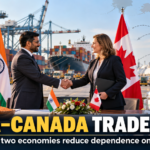
Trade was another major focus. India and France agreed to create a high-level annual mechanism to help double bilateral trade over the next five years. They also announced an Economic Security Dialogue covering critical minerals, semiconductors, critical technologies, cybersecurity, energy and supply-chain resilience.
Infrastructure cooperation also moved forward with a Declaration of Intent on railway and high-speed railway development in India. This can support railway modernisation, industrial partnerships and skill development.
Space cooperation gained new momentum through a Letter of Intent between ISRO and CNES on microgravity research and human space exploration. This can help India’s Gaganyaan mission and future Bharatiya Antariksh Station plans.
Another important agreement was the General Security Agreement on the Exchange and Protection of Classified Information, which strengthens trust and supports defence-industrial cooperation and Make in India projects.
PM Modi’s Nice visit shows that India-France relations are becoming deeper, wider and more future-focused. From UPI in Europe to AI governance, from aerospace skilling to space research, the partnership is moving beyond symbolism into practical cooperation.
For India, this visit strengthens its position as a global technology and innovation power. For France, India remains a trusted democratic partner in the Indo-Pacific, global economy and emerging technology ecosystem.
Disclaimer: This article is for informational and educational purposes only. It is based on publicly available government updates and media reports and should not be treated as diplomatic, legal or investment advice.