




































Oil Prices Fall After Israel-Hezbollah Ceasefire: What It Means for India and the World Economy

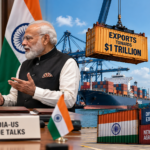
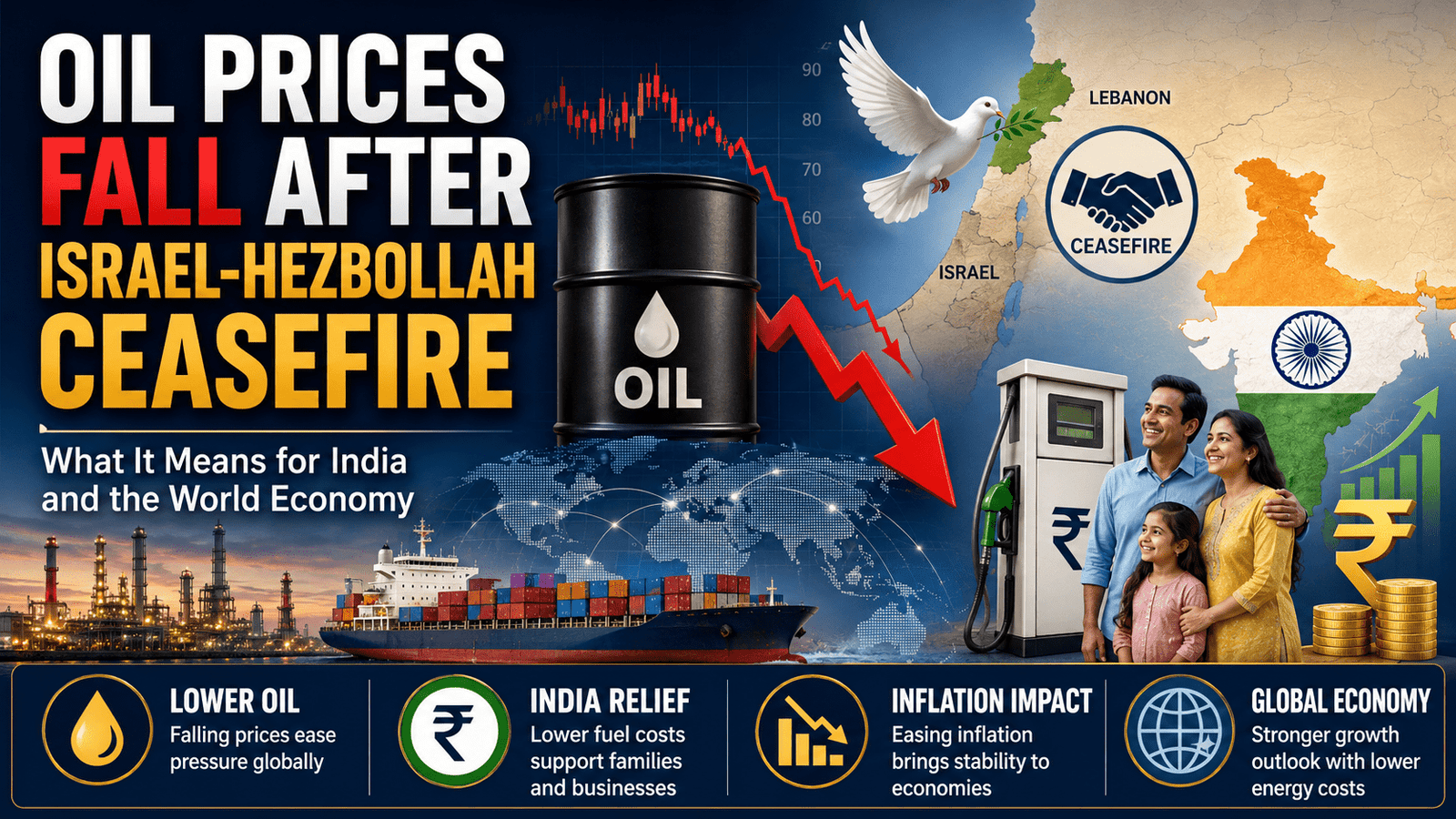
Oil prices are once again at the center of global attention after a major diplomatic breakthrough in the Middle East. A ceasefire between Israel and Hezbollah, along with renewed hopes around a U.S.-Iran peace framework, has pushed crude oil prices lower and brought temporary relief to global markets.
For ordinary people, this is not just a foreign policy story. It can affect petrol prices, diesel costs, airline fares, food inflation, shipping charges and even stock markets.
Why Oil Prices Are Falling
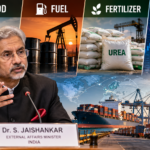
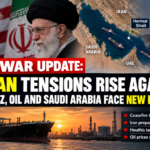
Oil prices had climbed earlier because of fear that the Middle East conflict could disrupt supply routes, especially the Strait of Hormuz. This narrow waterway is one of the world’s most important energy routes, carrying a large share of global oil and gas shipments.
When conflict rises near this region, traders immediately worry about supply disruptions. That fear pushes oil prices higher. But when ceasefire talks progress and tankers begin moving again, the risk premium comes down. This is why crude prices have started falling.
The latest ceasefire has given markets hope that oil supply may normalize. Reports suggest that Gulf oil exporters are increasing movement through the region, and previously delayed oil cargoes may start reaching global markets again.
Why This Matters for India
India is one of the world’s largest oil importers. When crude oil becomes expensive, India’s import bill rises. That can put pressure on the rupee, increase inflation and affect household expenses.
Lower oil prices can help India in several ways. Fuel companies may face less cost pressure. Transport and logistics expenses can stabilize. Inflation may cool if the price decline continues. Businesses that depend on fuel, such as airlines, shipping, manufacturing and agriculture, may also benefit.
However, relief may not be immediate. Petrol and diesel prices do not always fall instantly because taxes, refining costs, currency movement and government policy also matter.
Is the Crisis Over?
Not yet.
The ceasefire is a positive development, but the Middle East remains fragile. Israel, Hezbollah, Iran and the United States are all connected to a larger regional security puzzle. A single violation, drone strike, missile attack or breakdown in negotiations can push oil prices up again.
Iran’s role is especially important because of its influence near the Strait of Hormuz. If passage restrictions increase or tensions return, oil markets could become nervous again.
This means the fall in oil prices should be seen as temporary relief, not a permanent solution.
Global Economy Gets Breathing Space
The global economy has been under pressure from inflation, high interest rates, trade tensions and war-related uncertainty. Lower oil prices can give central banks and governments some breathing space.
When oil falls, inflation pressure may ease. Consumers spend less on fuel. Businesses spend less on transport. Governments face less pressure from subsidy and import costs.
For the United States and Europe, lower oil prices may help calm inflation concerns. For developing countries, it can reduce pressure on currencies and trade balances.
What Investors Should Watch Next
Investors should closely watch three things: the Strait of Hormuz, U.S.-Iran talks and the durability of the Israel-Hezbollah ceasefire.
If peace efforts continue, oil prices may fall further. Some analysts believe a larger supply recovery could push prices lower over time. But if negotiations fail or new attacks begin, oil could quickly rebound.
Stock markets may also react strongly. Lower oil prices can support airlines, logistics companies and consumer businesses. But energy stocks may come under pressure if crude prices keep falling.
Final Thoughts
The fall in oil prices is good news for the world, but it is not a guarantee of lasting stability. The Middle East remains one of the most sensitive regions for global energy security.
For India, the current situation offers hope. Lower oil prices can reduce inflation pressure, support the rupee and help businesses. But India must remain cautious because its energy security is still tied to events far beyond its borders.
The big lesson is clear: peace in the Middle East is not only important for the region. It matters for every family, every business and every economy that depends on stable energy prices.
Disclaimer: This article is for informational and educational purposes only. It should not be considered financial, investment, legal or political advice. Readers should consult qualified professionals before making financial decisions.