



































World Economy Before November 2026: Is a Recession Coming After the U.S. Midterm Elections?

The world economy is entering a nervous phase before the November 2026 U.S. midterm elections. On the surface, growth is still positive, markets are functioning and major economies have not officially entered recession. But underneath that stability, warning signs are becoming harder to ignore.
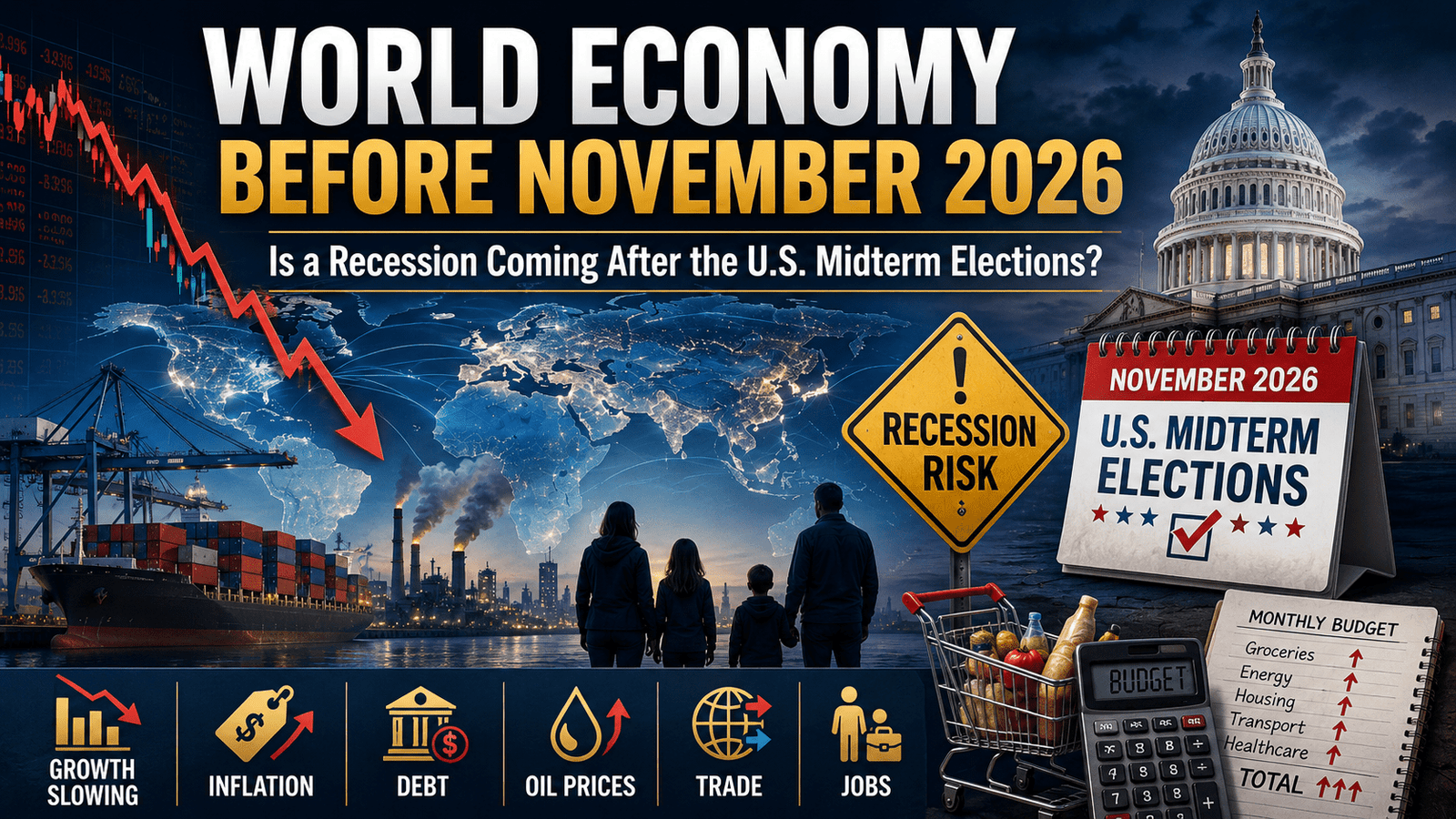
The biggest concern is that the global economy may look stable before November, but face a sharper slowdown after the U.S. midterm elections on November 3, 2026. This does not mean a recession is guaranteed. However, the risk of a post-election downturn is real because several pressures are building at the same time.
Why the Global Economy Looks Fragile
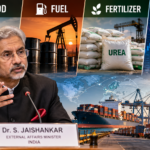
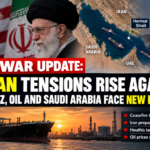
The world is dealing with a difficult mix of high energy prices, sticky inflation, expensive borrowing, weak trade growth, rising debt and geopolitical uncertainty. The Middle East conflict has already pushed oil and fertilizer prices higher, increasing costs for businesses and consumers.
When oil prices rise, the impact spreads quickly. Fuel becomes expensive, shipping costs increase, food production becomes costlier and central banks become more cautious about cutting interest rates. This creates pressure on household budgets and corporate profits.
The World Bank has projected global growth to slow to 2.5% in 2026. That is not a global collapse, but it is weak enough to make the world more vulnerable to shocks. If energy disruptions worsen and financial markets come under stress, growth could fall much lower.
Why November 2026 Matters
The U.S. midterm elections matter because America remains the world’s largest economy and the U.S. dollar is central to global finance. Before major elections, governments often try to keep confidence high. Markets may also avoid aggressive moves while waiting for political clarity.
After the election, however, difficult decisions may become unavoidable. The U.S. may need to deal with budget pressure, debt concerns, tariffs, energy strategy, interest-rate policy and geopolitical commitments. If investors lose confidence or businesses delay spending, the slowdown could deepen.
This is why some people believe the real economic pain may appear after November 2026. The election itself may not “cause” a recession, but it could act as a turning point where hidden weaknesses become visible.
Key Warning Signs to Watch
The first warning sign is inflation. If inflation stays high, central banks may keep interest rates elevated for longer. That would hurt mortgages, business loans, credit cards and consumer spending.
The second sign is unemployment. If companies start cutting jobs after months of high costs, consumer demand could weaken quickly.
The third sign is oil. A fresh spike in crude prices could hurt importing countries such as India, Japan and several European economies.
The fourth sign is market confidence. If stock markets are priced for perfection but earnings slow down, a correction could affect household wealth and business sentiment.
What It Means for India
India may remain one of the strongest large economies, supported by domestic demand, infrastructure spending, digital growth and manufacturing. But India is not isolated from the world. Higher oil prices can increase inflation, weaken the rupee and raise import costs.
If a global recession hits after November, India may still grow, but exports, IT services, foreign investment and market sentiment could face pressure.
Final Outlook
The world economy before November 2026 may feel like a calm road with warning lights flashing on the dashboard. Growth is still moving, but the engine is under stress.
A recession after the U.S. midterm elections is not certain, but it is a serious risk. The safest conclusion is this: the global economy is entering a high-risk period where energy prices, interest rates, politics and market confidence will decide what happens next.
If leaders manage inflation, protect trade routes and avoid new conflicts, the world may escape recession. But if oil shocks, political uncertainty and financial stress come together after November, the global slowdown could become much more painful.
Disclaimer: This article is for informational and educational purposes only. It should not be considered financial, investment, legal or economic advice. Readers should consult qualified professionals before making financial decisions.