




























Foreign Bot Networks and Anti-India Propaganda: How Misinformation Fuels Racism Against Indians

India’s rise as a global economic, technological and diplomatic power has made it a major target in the online information war. From fake social media accounts to state-linked media narratives, anti-India propaganda has become a growing challenge on platforms like X, Facebook, YouTube and Telegram.
In recent years, several online campaigns have tried to portray India as poor, backward, divided or inferior. These posts often use selective videos, old footage, misleading captions, fake images and emotional language to attack India’s image. What makes this more dangerous is that such content does not remain limited to geopolitics. It can fuel real-world racism against Indians living abroad.
The Rise of Coordinated Anti-India Narratives
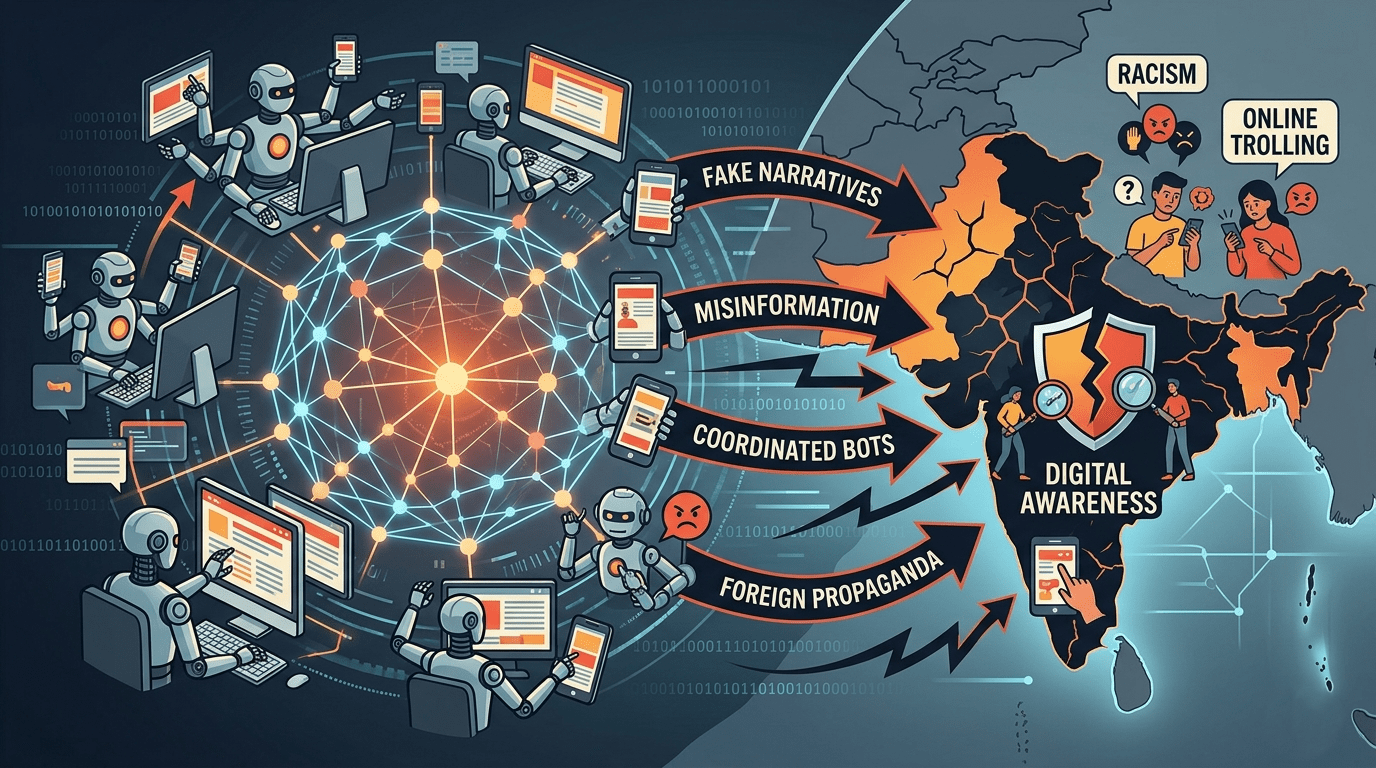
Modern propaganda is no longer limited to newspapers or television. Today, it moves through bot accounts, troll networks, state-linked media, fake influencers and viral short videos. A single misleading post can reach millions of people before fact-checkers respond.
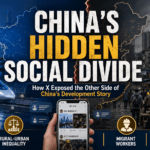
China-linked influence networks have been widely studied by researchers. These operations often promote pro-China narratives while attacking countries, leaders or groups seen as strategic rivals. India, because of border tensions, economic competition and its growing role in the Indo-Pacific, has become a frequent target.
The goal is simple: weaken India’s global image, create doubt among Indians, and make foreign audiences believe that India is unstable, unsafe or socially inferior.
How Propaganda Tries to Make Indians Feel Inferior
Anti-India propaganda often follows a predictable pattern. It highlights poverty, sanitation problems, social divisions or isolated street scenes, then presents them as the whole story of India. At the same time, it shows highly polished images of rival countries to create a false comparison.
This is not honest criticism. Honest criticism shows problems with context and solutions. Propaganda uses problems as weapons.
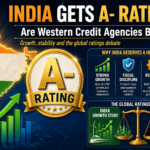
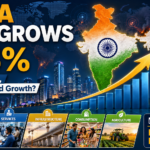
India has challenges, like every large country. But it also has world-class infrastructure, a fast-growing digital economy, a successful space program, a strong democracy, global CEOs, a powerful diaspora and one of the world’s fastest-growing major economies.
Propaganda works by hiding this balance.
Pakistan and Turkey’s Role in Anti-India Narratives
During India-Pakistan tensions, misinformation often rises sharply. Pakistani social media accounts have repeatedly circulated old videos, doctored images and false military claims to shape the narrative against India.
Some Turkish state-linked or public media narratives have also aligned with Pakistan during India-related conflicts. During Operation Sindoor, India blocked or restricted access to certain Chinese and Turkish state media handles after they were accused of spreading misinformation related to Indian military actions.
This does not mean ordinary Pakistani or Turkish citizens are responsible. The issue is with organized information networks, state-backed media narratives and coordinated propaganda ecosystems that amplify one-sided or false claims.
How This Fuels Racism Against Indians Abroad
Online misinformation can quickly become real-world prejudice. When social media repeatedly portrays Indians through negative stereotypes, it can influence how people treat Indian students, workers, immigrants and professionals abroad.
Anti-Indian racism online often uses the same recycled themes: hygiene, poverty, caste, food habits, accents, immigration and stereotypes about Indian men or workers. These attacks are not policy criticism. They are racial and cultural targeting.
This is why propaganda is not just a national security issue. It is also a social safety issue for Indians living across the world.
Why X Became a Major Battleground
X has become one of the most important platforms for geopolitical narratives. It allows real-time debate, but it also allows fake accounts and coordinated groups to push hashtags, distort events and attack communities.
Recent debates have shown how quickly propaganda can be exposed when users check account locations, posting patterns, repeated language and suspicious coordination. Many accounts that pretend to be neutral citizens often behave like organized political amplifiers.
The problem is not only bots. Human-run troll accounts, paid networks, ideological groups and state-linked media can all play a role.
India Must Fight Back With Facts, Not Hate
India should respond strongly to misinformation, but the response must be smart. Racism should not be answered with racism. Hate should not be answered with hate.
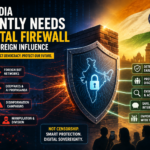
The best response is fact-based digital nationalism: expose fake accounts, verify videos before sharing, support credible fact-checking, report racist posts, and promote India’s real achievements with confidence.
Indians should also highlight the double standards. Every country has poverty, inequality, crime and social problems. Selectively using India’s problems to humiliate Indians while hiding similar issues elsewhere is propaganda, not journalism.
What Social Media Users Should Watch For
Users should be careful when they see shocking claims about India. Check whether the video is old, whether the location is correct, whether the account posts only anti-India content, and whether many accounts are using the same wording at the same time.
Misinformation spreads because people react emotionally. The slower and smarter response is often the stronger one.
Final Thoughts
The online war against India is not just about memes or viral posts. It is about perception, confidence and global influence.
China-linked influence operations, Pakistani propaganda accounts and some foreign media ecosystems have all played a role in shaping negative narratives about India. These campaigns may not always succeed, but they can still damage India’s image and encourage racism against Indians abroad.
India should not feel inferior because of propaganda. A confident nation accepts its problems, fixes them and exposes those who weaponize them dishonestly.
The future of geopolitics will not be fought only on borders. It will also be fought on screens. India must be ready.
Disclaimer: This article is for informational and educational purposes only. It does not target ordinary Chinese, Pakistani, Turkish people or any ethnic community. It discusses state-linked media, coordinated online behavior, misinformation and geopolitical propaganda based on publicly available reports.