















































Big Win for Indian Scientists: India Set to Join Europe’s €93.5 Billion Research Programme, Opening Doors for AI, Healthcare and Space Innovation

India has received encouraging news that could transform opportunities for its scientists, researchers and technology startups.
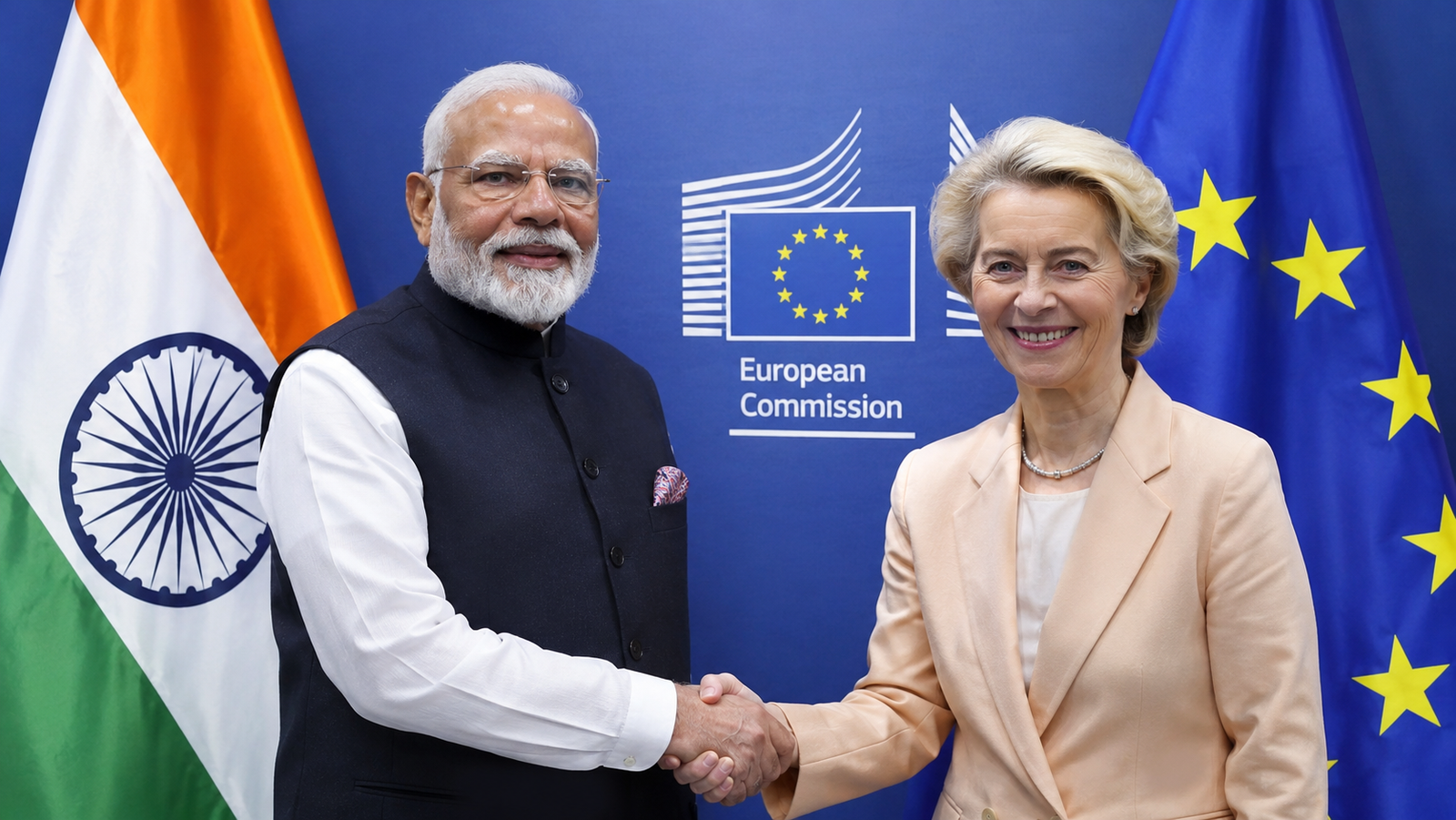
On November 7, 2026, the Indian government confirmed that India and the European Union have successfully concluded negotiations for India’s association with Horizon Europe, one of the world’s largest research and innovation programmes.
With an overall budget of approximately €93.5 billion for 2021–2027, Horizon Europe supports cutting-edge research in healthcare, artificial intelligence, space technology, climate science, energy and advanced industries.
The development could allow eligible Indian researchers and companies to access European research funding directly and lead multinational projects.
For India, this is more than a diplomatic agreement. It is an opportunity to accelerate scientific innovation, strengthen domestic industries and create high-skilled employment.
1. What Is Horizon Europe?
Horizon Europe is the European Union’s flagship programme for funding scientific research and technological innovation.
It supports universities, research centres, businesses and collaborative projects involving institutions from different countries.
Its research priorities include developing better healthcare technologies, improving industrial competitiveness, addressing climate challenges and advancing digital innovation.
India’s proposed association focuses on Pillar II: Global Challenges and European Industrial Competitiveness.
Once the agreement takes effect, eligible Indian organizations could participate in covered funding opportunities on terms comparable to European partners.
Importantly, the programme’s €93.5 billion budget is shared across participating countries and research activities. It is not a financial package reserved for India.
Source: European Commission’s EURAXESS — India and EU Conclude Horizon Europe Negotiations
2. Indian Scientists Could Access International Research Funding
One of the most promising benefits is easier access to collaborative research grants.
Currently, Indian researchers can participate in certain European projects, but funding arrangements can be restrictive.
The planned association could make eligible Indian institutions direct recipients of Horizon Europe funding.
It could also allow Indian research teams to coordinate projects involving European universities and companies.
Imagine an Indian biotechnology laboratory collaborating with European researchers to develop a new diagnostic technology.
Or an Indian engineering institute working with international partners on advanced semiconductor materials.
Instead of being limited to a supporting role, Indian institutions could potentially lead eligible projects.
This could strengthen India’s position as a creator of advanced technology, not simply a user of imported innovation.
3. Major Opportunities for Healthcare and Biotechnology
India has a large pharmaceutical industry, growing biotechnology capabilities and a strong pool of medical researchers.
Horizon Europe could create new opportunities for collaboration in areas such as cancer research, medical diagnostics, infectious diseases and biotechnology.
Indian laboratories may gain access to specialized research infrastructure, scientific networks and international expertise.
These partnerships could support the development of better medical technologies and encourage knowledge exchange.
However, funding would remain competitive, and successful research outcomes would depend on individual projects.
The agreement itself does not guarantee new medicines or immediate healthcare breakthroughs.
4. AI, Semiconductors and Space Technology Could Benefit
India is investing in artificial intelligence, semiconductor manufacturing and advanced electronics.
These industries require extensive research, skilled engineers and sophisticated technical infrastructure.
Closer cooperation with European research institutions could help Indian organizations develop technologies in AI, industrial automation, advanced materials and high-performance computing.
Space technology is another promising field.
Indian startups and researchers could explore collaborative projects involving satellite systems, Earth observation and related technologies.
Access to international research partnerships can be particularly valuable for companies developing products that require years of testing and specialized expertise.
5. What Does This Mean for Indian Startups and Jobs?
Research funding does not automatically create commercial businesses.
But successful scientific collaborations can produce new technologies, patents, prototypes and opportunities for entrepreneurship.
Indian startups could benefit from partnerships with European companies, research organizations and universities.
That could support demand for skilled professionals in biotechnology, software engineering, robotics, data science and advanced manufacturing.
There may also be opportunities for Indian students and early-career researchers to participate in international projects.
Over time, a stronger research ecosystem can help companies develop higher-value products and services.
India’s long-term economic growth will increasingly depend on how successfully it converts scientific knowledge into commercially useful technology.
6. When Will India Officially Join?
India and the EU have completed negotiations, but the process is not yet finished.
The association agreement must still be signed and the necessary procedures completed.
According to the European Commission’s research-information network, India’s association is envisaged for January 2027.
Until the agreement enters into force, the new funding arrangements do not apply.
India’s research institutions will also need to follow the eligibility requirements and competitive selection procedures of individual funding calls.
The agreement provides access to opportunities—not automatic approval or guaranteed grants.
7. Why This Is Important for India’s Global Position
India’s economic future depends increasingly on research, innovation and high-value manufacturing.
Developing sophisticated technologies requires more than domestic investment.
International scientific collaboration can provide access to specialized expertise, infrastructure and global markets.
The Horizon Europe development builds on India’s existing scientific relationship with the European Union and its cooperation through the India–EU Trade and Technology Council.
For India, greater participation in international research could support stronger universities, more competitive businesses and the development of technologies suited to domestic needs.
It also creates opportunities for European institutions to collaborate with India’s large scientific and engineering community.
The long-term opportunity is a two-way partnership in which Indian researchers help shape future technologies rather than merely adopt them.
Conclusion: A New Opportunity for India’s Innovation Economy
India’s planned association with Horizon Europe is encouraging news for the country’s scientific community.
Eligible Indian researchers could gain direct access to collaborative funding opportunities.
Universities could lead international research projects.
Startups could develop partnerships in emerging technologies.
And industries ranging from healthcare to space technology could benefit from deeper scientific cooperation.
The next important step is completing the formal agreement and ensuring Indian institutions are prepared to compete for funding.
India’s next major economic breakthrough may not come from building another factory alone—but from the research laboratories, universities and innovative startups that create the technologies those factories will use.
Horizon Europe could become an important part of that journey.
Frequently Asked Questions
Has India officially joined Horizon Europe?
India and the EU have concluded negotiations. The association still requires formal signing and completion of the necessary procedures.
How much is the Horizon Europe programme worth?
Horizon Europe has an overall budget of approximately €93.5 billion for 2021–2027. This is not an amount allocated specifically to India.
Can Indian universities receive European research funding?
Once the association takes effect, eligible Indian universities and research organizations could receive direct funding under covered Horizon Europe calls, subject to competitive selection.
Which industries could benefit?
Healthcare, biotechnology, artificial intelligence, semiconductors, space, energy, climate technology and advanced manufacturing are among the relevant sectors.
When is India’s association expected to begin?
January 2027 is the envisaged start, subject to formal completion of the agreement.
Editorial Note: Negotiations have concluded, but India’s association is not yet operational. Funding will depend on eligibility, competitive project selection and completion of the agreement.
