







































India-US Trade Deal Nears Final Stage: What It Means for Jobs, Exports and India’s Economy

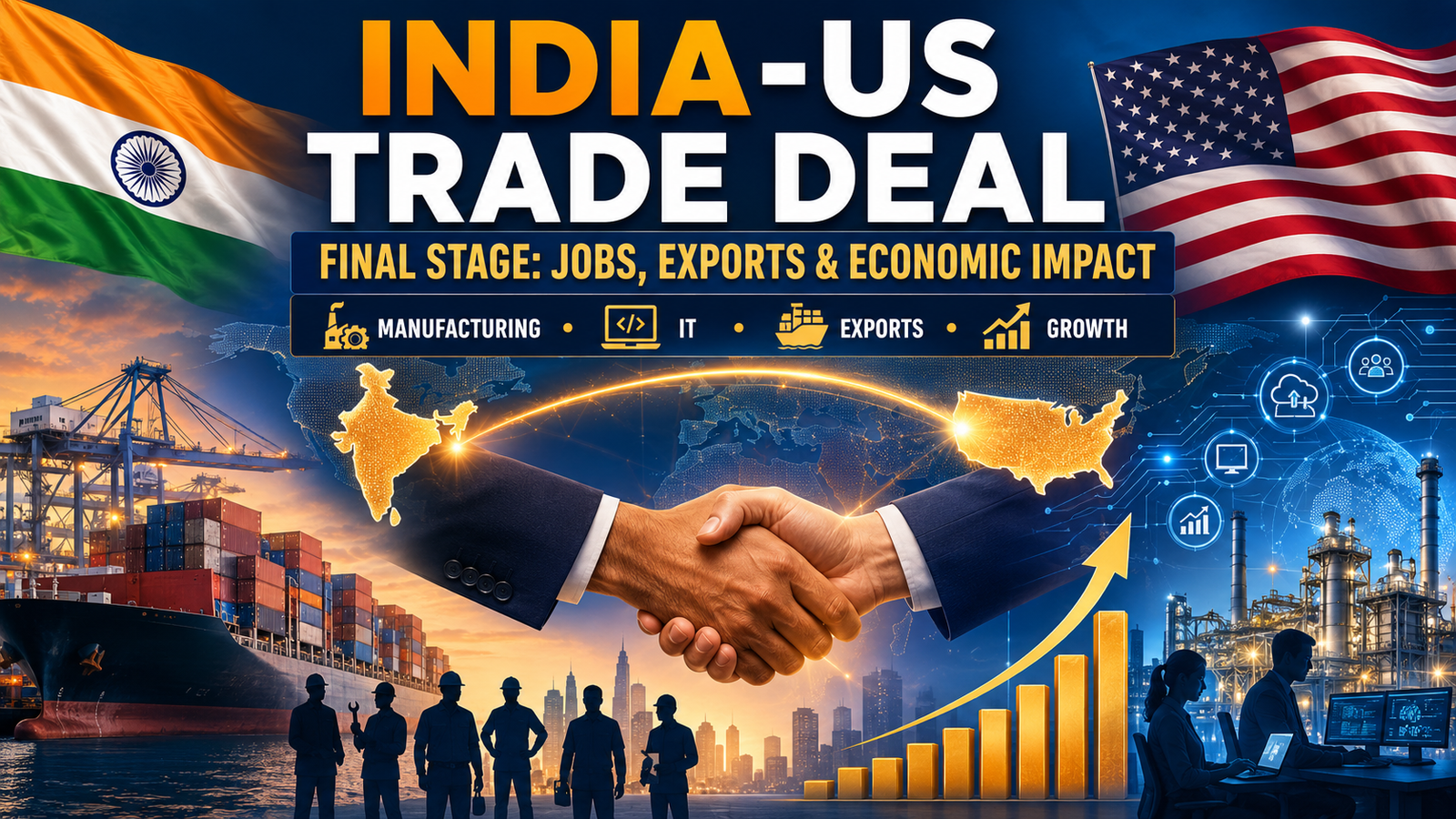
India and the United States appear to be moving closer to a major interim trade deal, making it one of the biggest economic stories currently trending in India.
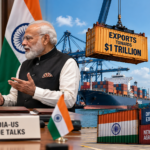
Commerce and Industry Minister Piyush Goyal has indicated that both countries are “very close” to an agreement. The talks have gained momentum after fresh discussions between India and the United States, including meetings involving U.S. Trade Representative Jamieson Greer.
If finalised, this deal could become an important turning point for Indian exporters, manufacturers, technology companies and investors.
Why This Trade Deal Matters
The United States is one of India’s biggest export markets. From textiles and gems to pharmaceuticals, engineering goods, electronics and IT services, Indian companies depend heavily on American demand.
A favourable trade deal could give Indian exporters a competitive advantage over countries such as China, Vietnam, Bangladesh, Thailand and Malaysia.
This is important because global supply chains are shifting. Many companies want to reduce dependence on China and build alternative manufacturing bases. India wants to use this moment to become a stronger manufacturing and export hub.
India Wants a Tariff Advantage
One key issue in the talks is tariff treatment. India wants better market access and a clear advantage compared with competing economies.
For Indian manufacturers, even a small tariff difference can make a big impact. Lower tariffs can make Indian products more attractive in the U.S. market. This can help sectors such as textiles, leather, engineering goods, auto components, electronics and chemicals.
In simple words, if Indian goods become cheaper or more competitive in America, Indian factories may receive more orders.
More orders can mean more jobs.
What the U.S. Wants
The United States also wants better access to the Indian market. Washington wants India to buy more American goods and reduce trade barriers in certain sectors.
This is where negotiations become sensitive. India must protect its farmers, small businesses and strategic industries while still expanding global trade.
A good deal should not be one-sided. It must help both countries without hurting vulnerable sectors inside India.
Impact on Indian Jobs
If the deal supports exports, the biggest benefit could be job creation.
India needs millions of new jobs every year, especially for young people entering the workforce. Export-led manufacturing can create employment in factories, logistics, ports, packaging, warehousing and small supplier networks.
This is why the trade deal is not just a diplomatic matter. It is connected to ordinary people’s livelihoods.
What About Indian IT Companies?
Indian IT companies may also benefit indirectly. A stronger India-U.S. business relationship can improve confidence among American clients.
However, the IT sector still faces challenges. U.S. companies are cautious because of high interest rates, AI disruption and cost-cutting pressure. So while a trade deal may improve sentiment, Indian IT firms still need to adapt to AI, automation and digital transformation demand.
The future of Indian IT will depend not only on contracts, but also on innovation.
Why This Is Important for Make in India
This trade deal also fits into India’s Make in India and Atmanirbhar Bharat strategy.
India wants to move from being mainly a services economy to becoming a serious manufacturing and technology power. Better access to the U.S. market can support that ambition.
But India must also improve infrastructure, reduce logistics costs, simplify compliance, improve quality standards and support MSMEs. A trade deal can open the door, but Indian industry must be ready to walk through it.
Risks and Challenges
There are still challenges. Trade negotiations can face delays due to tariff disputes, legal issues, domestic politics and pressure from industry groups.
India must ensure that the deal does not hurt farmers, small businesses or local producers. It must also avoid giving away too much in exchange for short-term gains.
The best trade deal is one that increases exports, protects national interest and builds long-term economic strength.
Final Thoughts
The India-US trade deal could become a major moment for India’s economy. If handled wisely, it can boost exports, create jobs, attract investment and strengthen India’s position in global supply chains.
But the real success will depend on execution.
India must use this opportunity to build stronger factories, better products, skilled workers and globally competitive companies.
The world is looking for alternatives in manufacturing and supply chains. India has the scale, talent and ambition. Now it needs the right trade access and domestic reforms to turn opportunity into growth.
Disclaimer: This article is for informational and educational purposes only. It should not be considered financial, investment or policy advice.