










































SpaceX IPO Reality Check: Why the Valuation Crash Is a Warning for Retail Investors

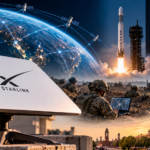
SpaceX was supposed to be the dream IPO of the decade. Rockets, Starlink, artificial intelligence, Elon Musk, Mars missions and space-based data centres — the story had everything retail investors love.
But soon after its historic IPO, reality started hitting the stock.
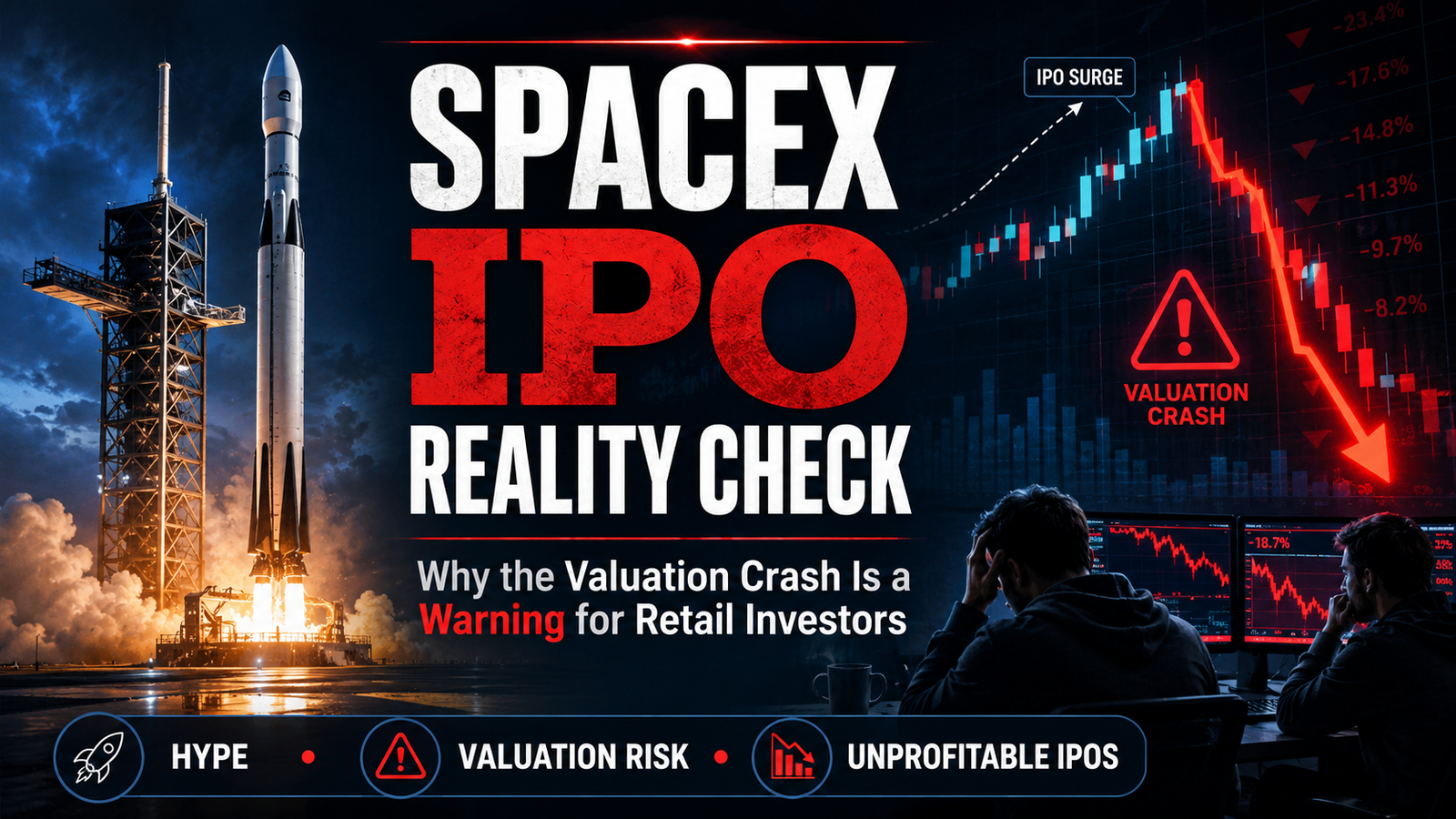
SpaceX shares jumped after listing, touched a sharp post-IPO high, and then fell heavily as investors began questioning whether the company’s valuation was too high. The fall does not mean SpaceX is a bad company. It means even a great company can become a bad investment if the price is unrealistic.
This is the biggest lesson for retail investors: never buy an IPO only because the brand is famous.
What Happened With the SpaceX IPO?
SpaceX priced its IPO at $135 per share and raised around $75 billion, making it one of the largest IPOs in history. The company was valued at around $1.77 trillion at the offer price.
That is a massive valuation for any company, even one as famous as SpaceX.
After listing, the stock opened higher and the hype pushed it up quickly. But the excitement did not last. The stock later fell sharply from its post-IPO peak, wiping out hundreds of billions of dollars in market value.
This is exactly what often happens in overhyped IPOs. Early demand creates a strong first-day pop. Then investors start reading the numbers.
Why Investors Are Worried
The biggest concern is valuation.
SpaceX is not being valued like a normal aerospace company. It is being valued like a combination of a rocket company, telecom company, AI company, defence contractor, satellite-internet provider and futuristic space infrastructure company.
That sounds exciting, but it also creates risk.
At the IPO valuation, SpaceX was trading at an extremely high price-to-sales multiple. That means investors were paying a huge premium for future growth that has not fully arrived yet.
The problem is simple: the market was not only pricing SpaceX’s current business. It was pricing Elon Musk’s future promises.
The Profitability Question
One of the biggest reasons retail investors should be careful is profitability.
Reports show SpaceX posted a major net loss in 2025. Some operating metrics may look stronger, especially if investors focus on EBITDA, but EBITDA is not the same as clean net profit.
This difference matters.
A company can show strong operating performance but still burn cash, carry heavy costs, invest aggressively and report losses after depreciation, interest, taxes and expansion expenses.
For a normal investor, the question should be simple: is the company making sustainable profits today, or is the market paying for profits expected many years later?
With SpaceX, the valuation depends heavily on future growth.
Why Overhyped IPOs Are Dangerous
Overhyped IPOs often follow the same pattern.
First, the company builds a powerful story. Second, media coverage increases excitement. Third, retail investors fear missing out. Fourth, the IPO opens with a big price jump. Fifth, early investors and institutions sell into the hype. Finally, the stock corrects when reality replaces emotion.
This does not happen every time, but it happens often enough that investors must be careful.
Remember, an IPO is not a gift to retail investors. It is also an exit opportunity for early investors, employees and private-market holders.
When a company finally comes public at a giant valuation, retail investors must ask: why now?
SpaceX Is Great, But the Stock May Still Be Expensive
This is the key point.
SpaceX is one of the most innovative companies in the world. It has changed rocket launches, reduced launch costs, built Starlink and become a major force in space technology.
But a great company and a great stock are not always the same thing.
If investors pay too much, even the best company can deliver poor returns for years.
Tesla, Amazon and other famous companies have shown this in the past. Strong businesses can still suffer massive stock corrections when expectations become unrealistic.
The AI Hype Problem
SpaceX’s valuation is also linked to future AI and space-computing dreams. These ideas are exciting, but many are still unproven at commercial scale.
Investors are now seeing AI attached to almost every major tech story. But not every AI claim becomes profit.
Space-based data centres, AI infrastructure, satellite connectivity and future computing platforms may become huge businesses. But they may also take years, cost billions and face technical, regulatory and competitive challenges.
Retail investors should not pay today’s price for tomorrow’s dream without checking the risks.
What Retail Investors Should Learn
The SpaceX IPO gives five important lessons.
First, do not buy because of hype.
Second, do not assume a famous founder guarantees returns.
Third, check valuation before buying.
Fourth, understand whether the company is actually profitable.
Fifth, wait for the stock to settle after listing.
Many IPOs become better opportunities months after listing, when the hype fades and the market gets more financial clarity.
Should Investors Buy SpaceX Now?
For most retail investors, caution is better than excitement.
If someone truly believes in SpaceX for the next 10 to 20 years, they should still avoid going all-in at once. A better strategy is to wait for more earnings reports, clearer profit trends and a more reasonable valuation.
The stock may rebound because the company is powerful and the brand is strong. But buying only because it fell from the peak is not enough.
A stock can fall 30% and still be expensive.
Final Thoughts
The SpaceX IPO is a perfect example of why retail investors must separate innovation from valuation.
SpaceX may continue to change the space industry. Starlink may grow. AI and satellite infrastructure may become major revenue streams. But none of that guarantees that IPO buyers will make money if they paid too high a price.
The market is now sending a warning: hype cannot replace profits forever.
For investors, the lesson is simple. Do not chase overhyped IPOs. Do not buy only because a company is famous. Do not ignore losses. And never forget that valuation matters.
A great company at the wrong price can become a painful investment.
FAQs
Did SpaceX IPO valuation look overestimated?
Many analysts and investors believe the IPO valuation was extremely high compared with current revenue and reported profitability.
Is SpaceX a bad company?
No. SpaceX is an innovative and important company. The concern is not the business idea, but the price investors are paying for it.
Why do overhyped IPOs fall after listing?
They often fall because early excitement fades, investors study the financials, and early holders may sell into strong demand.
Should retail investors buy every famous IPO?
No. Retail investors should check revenue, profits, debt, valuation, risks and lock-up periods before buying any IPO.
What is the biggest lesson from SpaceX IPO?
A great company can still be a risky investment if the IPO valuation is too high.
Disclaimer: This article is for informational and educational purposes only. It is not financial or investment advice. Stock prices and valuations change quickly. Investors should consult a qualified financial advisor before making investment decisions.