































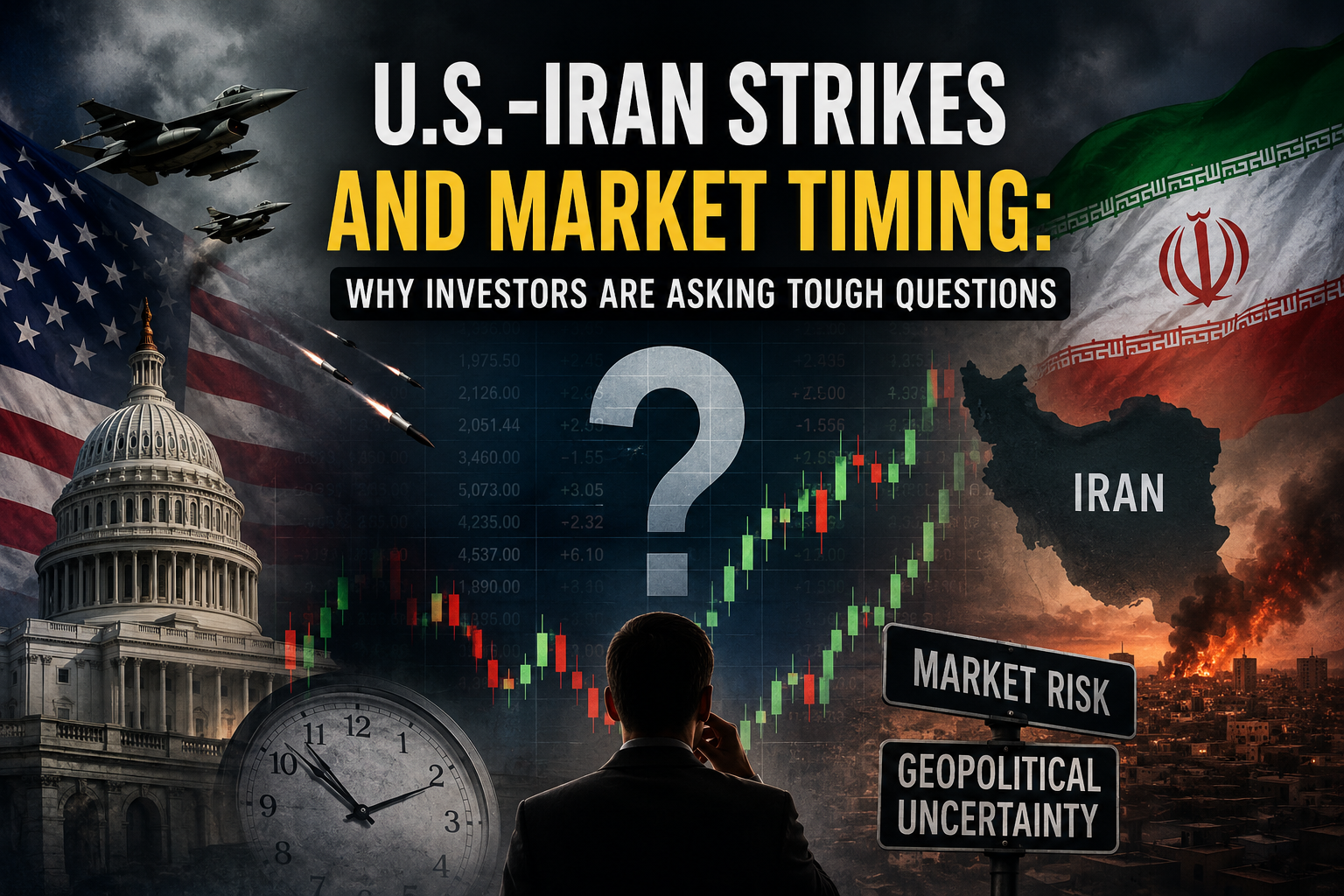
U.S.-Iran Strikes and Market Timing: Why Investors Are Asking Tough Questions

The latest U.S. strikes on Iran have once again shaken global markets and raised a serious question: are geopolitical crises becoming trading opportunities for those with early access to sensitive information?
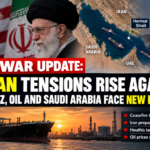
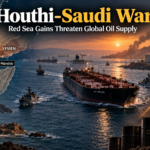
According to reports, U.S. forces carried out fresh strikes on Iranian targets after Washington accused Tehran of violating the ceasefire through attacks linked to the Strait of Hormuz. Iran and the United States are now blaming each other for breaking the fragile truce.
For ordinary people, this looks like another Middle East escalation. But for investors, oil traders and market watchers, there is another concern: timing.
The Friday Pattern That Markets Notice
Major geopolitical shocks often hit when regular stock markets are closed or close to closing. By the time markets reopen, oil futures, currency markets and stock futures may have already reacted sharply.
This creates a dangerous perception. If a small group of people knows about a military strike, ceasefire announcement or de-escalation message before the public, they can potentially place trades before the rest of the market reacts.
That does not prove insider trading. But it does create a need for investigation and transparency.
Why This Matters
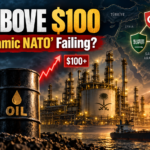
Wars and ceasefires move markets. Oil prices can jump after attacks near the Strait of Hormuz. Stock markets can fall on escalation and recover after a de-escalation statement. Defence stocks, energy companies, shipping firms, gold, currencies and futures contracts can all move quickly.
If policy announcements repeatedly move markets, regulators must ask a simple question: who traded before the announcement?
The concern is not only about one strike or one president. It is about the integrity of the market itself.
Insider Trading Allegations Must Be Investigated, Not Assumed
Some critics have alleged that politically connected people, large financial institutions or insiders may benefit from sudden policy reversals and military announcements. These allegations should not be treated as proven facts without evidence.
But they also should not be ignored.
Reuters has reported that U.S. regulators have looked into suspicious oil trades made before earlier Trump administration Iran-related policy shifts. Lawmakers have also called for investigations into unusual market activity around major policy announcements.
That means the concern is serious enough for public scrutiny.
Why Ordinary Investors Lose
Ordinary investors do not get advance information. They react after the news breaks. By then, prices may have already moved.
This creates a trust problem. If people believe markets are being moved by private access to political decisions, confidence in financial systems weakens.
Markets must be fair. A retail investor, pension saver or small trader should not feel that global events are being monetized by people close to power.
What Regulators Should Do
Regulators such as the SEC and CFTC should review trading activity around every major military strike, ceasefire announcement and sudden policy reversal.
They should examine oil futures, stock futures, options, defence stocks, energy stocks, shipping stocks and prediction markets. If trades were placed shortly before public announcements, authorities should determine whether those trades were based on public analysis or non-public information.
Transparency does not weaken democracy. It strengthens it.
The India Angle
India must watch this closely. U.S.-Iran tensions directly affect oil prices, inflation, the rupee, stock markets and energy security. If geopolitical shocks are followed by suspicious trading patterns, emerging markets like India can suffer volatility while powerful traders profit.
India imports a large share of its crude oil needs. Any instability around the Strait of Hormuz can increase pressure on fuel prices, trade costs and market sentiment.
Final Thoughts
The latest U.S.-Iran escalation is not only a military story. It is also a market integrity story.
No one should make unsupported accusations without evidence. But when wars, ceasefires and political announcements repeatedly move markets, regulators must ensure that nobody is using privileged information for private profit.
The public deserves answers. Investors deserve fair markets. And governments must prove that national security decisions are not being turned into trading opportunities.
In a world where one statement can move billions of dollars, transparency is not optional. It is essential.
Disclaimer: This article is for informational and opinion-based analysis only. It does not accuse any individual, bank, official or institution of wrongdoing. Any allegation of insider trading or market manipulation should be investigated by competent regulatory authorities and proven through due legal process.