


























Iran-USA War Update: Strait of Hormuz Fees, Qatar Mediation and the Search for a Peace Deal

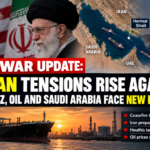
The Iran-USA conflict has entered a new and complicated phase. After weeks of military strikes, ceasefire violations and tension around the Strait of Hormuz, both sides are now trying to convert a fragile pause into a more stable peace arrangement.
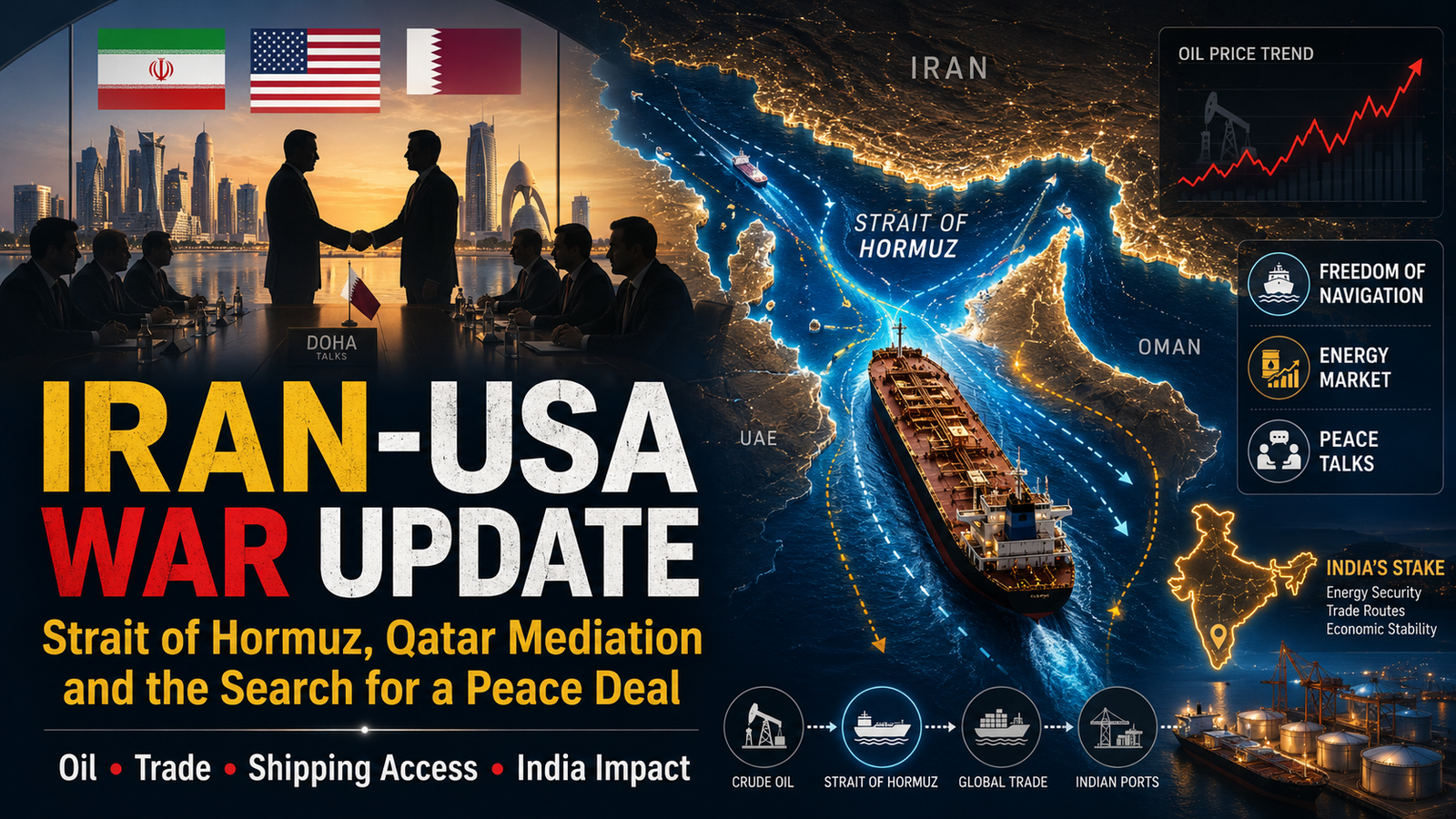
The key issue is not only Iran’s nuclear programme or U.S. military pressure. The biggest economic flashpoint is now the Strait of Hormuz, one of the world’s most important oil and gas shipping routes.
Iran wants greater control over the waterway and is pushing the idea of fees or regulated passage for commercial ships. The U.S. says the strait is an international waterway and opposes any unilateral toll system. This disagreement could decide whether the region moves toward peace or another round of conflict.
Why the Strait of Hormuz Matters
The Strait of Hormuz is a narrow maritime route between Iran and Oman. A major share of the world’s oil and liquefied natural gas passes through this corridor.
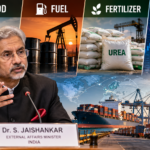
If shipping is disrupted, oil prices can rise quickly. Insurance costs increase. Tanker movement slows. Import-dependent countries like India face pressure through higher crude prices, inflation and currency volatility.
This is why the Hormuz issue is not just a Middle East problem. It is a global economic issue.
Iran’s Strategy: Control and Revenue
Iran appears to be using Hormuz as strategic leverage. Reports suggest Tehran wants formal recognition of its authority over shipping routes and may seek fees from vessels using the passage.
For Iran, this could serve two purposes.
First, it gives Iran political leverage against the U.S. and its allies. Second, it creates a possible revenue stream at a time when Iran is facing sanctions, frozen assets and economic pressure.
Some reports have also mentioned Oman’s possible involvement in discussions around navigation fees or a softer fee model. However, Oman has previously stated that no mandatory tolls can be imposed on ships under international maritime agreements. This makes the situation sensitive and legally complicated.
In simple language: Iran wants to monetize the strait, while the U.S. wants free and secure passage.
Qatar, Not Pakistan, Is the Main Mediation Venue
The current diplomatic activity is centred in Doha, Qatar. U.S. and Iranian technical teams are engaged in indirect talks through mediators. Qatar has become the main venue because it has working relationships with both sides and has experience in sensitive regional diplomacy.
Some reports mention Pakistan as a facilitator in the background, but the serious channel appears to be Qatar-led. Pakistan’s role is limited and politically complicated because Islamabad does not have the same trust level with all major regional actors.
For India, this matters because New Delhi watches any Pakistan-linked mediation cautiously. A stable peace process should be handled by countries that can maintain credibility with both Washington and Tehran.
Will a Peace Deal Be Signed Soon?
A peace deal is possible, but not guaranteed.
The current talks are focused on technical issues: shipping safety, Hormuz access, frozen Iranian assets, nuclear commitments and preventing another military escalation.
The positive sign is that both sides are still talking. Markets have also responded with some optimism whenever de-escalation signals appear.
But the negative sign is that trust remains very weak. Iran wants control and money from Hormuz. The U.S. wants freedom of navigation and nuclear restrictions. Both sides also accuse each other of violating previous understandings.
So a short-term arrangement may happen before a full peace deal. A complete deal will be harder.
Why India Should Watch Closely
India imports a large share of its crude oil. Any tension in the Gulf directly affects Indian fuel prices, inflation, shipping costs and the rupee.
If Iran imposes fees on shipping, oil and gas transport costs could rise. If the U.S. rejects the demand and tensions increase, markets may again price in war risk.
For India, the best outcome is simple: stable shipping, no blockade, no sudden toll shock and peaceful diplomacy.
India must also continue diversifying energy sources, building strategic reserves and protecting its trade routes through strong maritime diplomacy.
Final Thoughts
The Iran-USA conflict is no longer only about missiles and military bases. It is now about money, shipping rights, oil security and control of one of the world’s most important chokepoints.
Iran wants to turn the Strait of Hormuz into a bargaining tool. The U.S. wants to keep it open without tolls or restrictions. Qatar is trying to mediate a path forward, while Oman’s geographical position makes it unavoidable in any Hormuz arrangement.
A peace deal may come, but it will be fragile unless the Hormuz question is settled clearly.
For India and the world, the message is clear: when the Strait of Hormuz shakes, the global economy feels it.
Disclaimer: This article is for informational and geopolitical analysis only. It should not be considered financial, investment, legal or diplomatic advice. Developments in conflict zones can change quickly.