


































Saudi Arabia Enters the Iran War: Why U.S.-Saudi Strikes in Iraq Could Change West Asia

Saudi Arabia Takes a Major Step
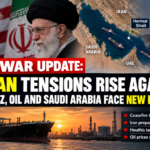
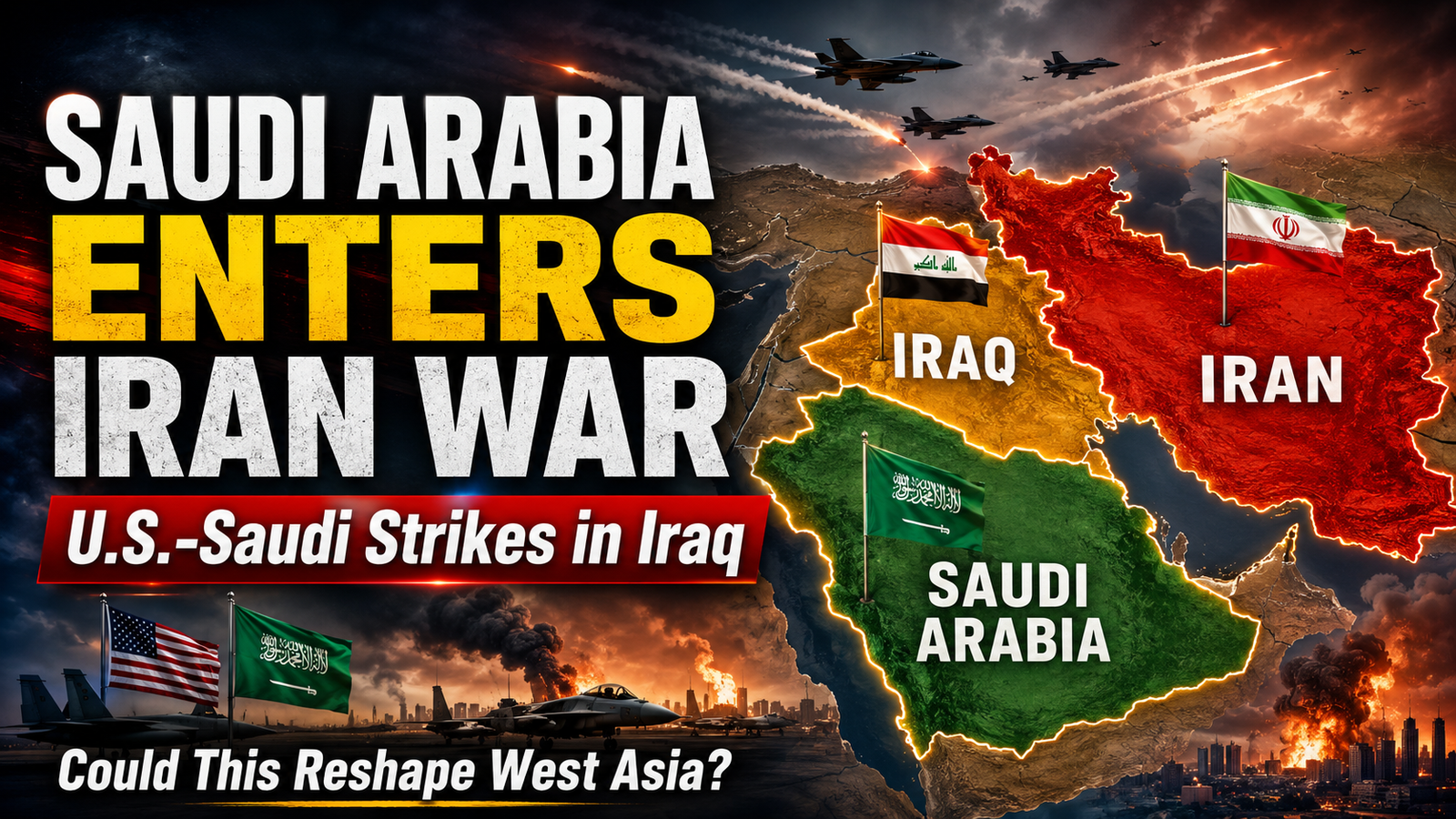
West Asia may be entering a more dangerous phase after the United States and Saudi Arabia reportedly carried out coordinated precision strikes in Iraq against armed groups aligned with Iran.
Reuters reported that U.S. Central Command announced joint U.S.-Saudi strikes on sites of Iran-backed groups in Iraq after alleged attempted attacks on U.S. forces and Saudi energy infrastructure.
This is a major development because Saudi Arabia has usually preferred to avoid direct military escalation with Iran. But if Riyadh is now joining military action against Iran-linked groups, the conflict is no longer limited to Iran, Israel and the United States.
Why Iraq Is Now in the Middle
Iraq is caught in a dangerous position. Some Iran-backed armed factions operate inside Iraq, while the Iraqi government also has to protect its sovereignty and prevent the country from becoming a battlefield.
AP reported that Iraq condemned the U.S.-Saudi strikes, saying they harmed civilians and undermined national sovereignty. It also noted that Iraq is under pressure to control armed groups, including factions linked to the Popular Mobilization Forces.
This is the real tragedy. Iraq is not looking for another war, but its geography and militia networks make it vulnerable.
Why Saudi Arabia Is Worried
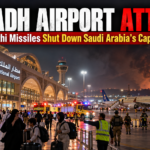
Saudi Arabia’s main concern is energy security. If Iran-backed groups or Houthis target Saudi oil facilities, the kingdom’s economy and global oil markets can be affected.
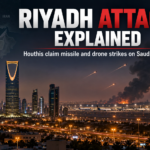
Al Jazeera reported earlier that Houthi attacks on Saudi oil facilities had opened a new front in the widening U.S.-Iran war.
For Saudi Arabia, this is not only about politics. It is about protecting oil infrastructure, cities, shipping routes and national security.
What This Means for India
India should watch this crisis carefully.
Any escalation in West Asia can affect India through crude oil prices, inflation, shipping routes, remittances and the safety of Indian workers in Gulf countries. If Iraq becomes a wider battlefield, the risk to energy supply chains increases.
India’s best approach should be balanced diplomacy: support regional stability, protect Indian citizens, diversify energy imports and avoid getting dragged into any military bloc.
Final Thoughts
The reported U.S.-Saudi strikes in Iraq show that the Iran war is widening.
Saudi Arabia’s entry into direct military action against Iran-backed groups could change the balance of power in West Asia. But it also increases the risk of retaliation, oil shocks and regional chaos.
The world should understand one thing clearly: when Iraq becomes the battlefield, the entire region becomes unstable.
For India and the global economy, peace in West Asia is not a distant issue. It is directly connected to fuel prices, trade, jobs and national security.
Disclaimer: This article is for informational and editorial commentary only. It does not support war or violence. Reported strikes should be understood through verified official and news sources.